The Nei Gong Program – 內功
Within the Internal Arts Academy, the Nei Gong (內功) program is taught as a complete system of internal cultivation designed to systematically develop the body, regulate Qi and refine the deeper internal processes that underpin health, martial skill and spiritual practice. Nei Gong forms the core of the internal arts and provides the structural and energetic foundation upon which all further training rests.
The basis of Nei Gong lies in the methodical transformation of the physical vessel so that it becomes capable of holding, generating and circulating Qi in a stable and functional manner. Through precise training methods, the body is aligned, opened and integrated while the breath and awareness are refined. As Qi becomes abundant and regulated, the internal environment of the body is gradually reorganised, allowing deeper stages of internal development to unfold naturally.
The Nei Gong system taught within the Academy is drawn from Damo Mitchell’s long-term training within traditional Daoist lineages, combined with material transmitted through classical internal arts systems.
Dan Tian Development
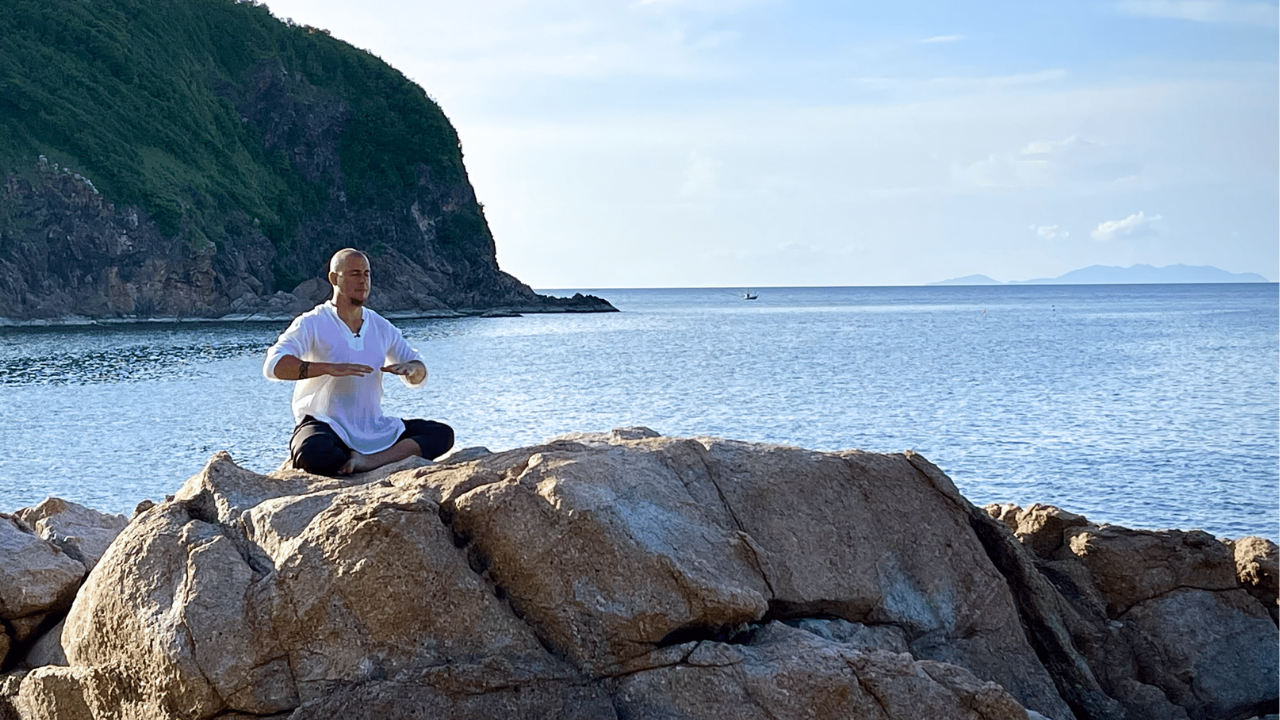
Dan Tian development sits at the core of authentic internal arts practice. It forms the functional centre from which genuine cultivation unfolds. Within the Nei Gong program, this work is introduced as a clear and practical method. Students are guided step by step, beginning with the preparation of the body so that posture, alignment and breathing create the conditions for the lower Dan Tian to develop. This stage concerns the gathering and regulation of Qi through direct, practical method rather than through imagination or wishful thinking. Although Dan Tian development is frequently mentioned within Qi Gong, it is often poorly understood due to a lack of clear guidance and so, for this reason, the Nei Gong program gives great importance to this aspect of the inner-process.
The Dan Tian is the KEY to Nei Gong and that is why so much focus is given to this area of practice in the program.
Qi Gong Training
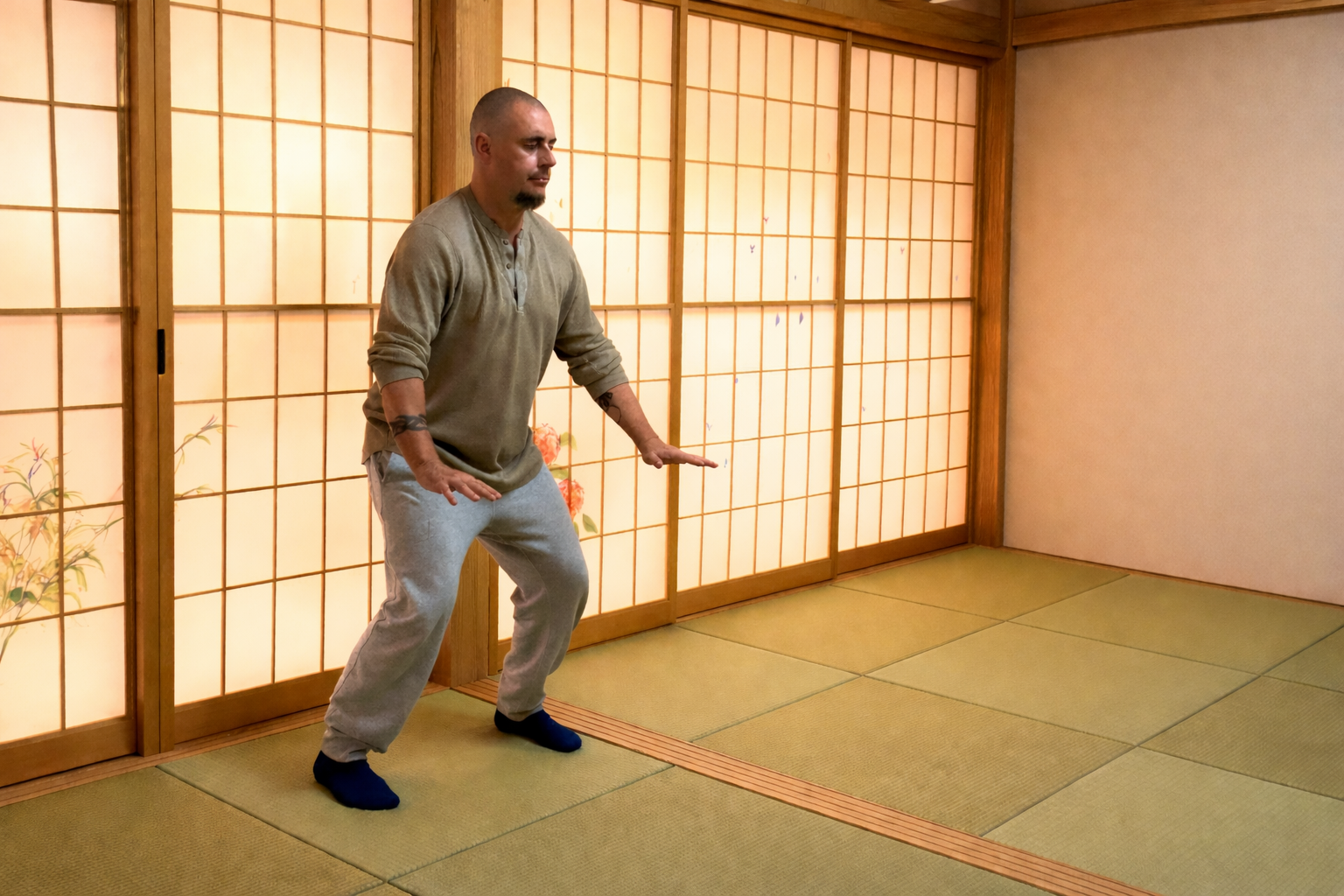
Qi Gong within the Academy is taught as a method for changing the body and mobilising Qi rather than as a collection of gentle exercises. The training is introduced in a clear and structured manner so that each practice serves a specific function within the overall process of internal development. Students are guided step by step, beginning with exercises that reshape the physical body and open the tissues so that Qi is able to move freely rather than becoming trapped or stagnant.
As the work progresses, the exercises are used to encourage Qi to circulate in a mobile and responsive way. Rather than aiming for relaxation alone, the practices actively transform the body so that it can support internal change.
Approached in this way, Qi Gong becomes a practical tool for conditioning the body and regulating internal movement. It lays the groundwork for deeper Nei Gong practice and ensures that internal cultivation is supported by a body that has been systematically trained to change, adapt and respond.
Dao Yin Training
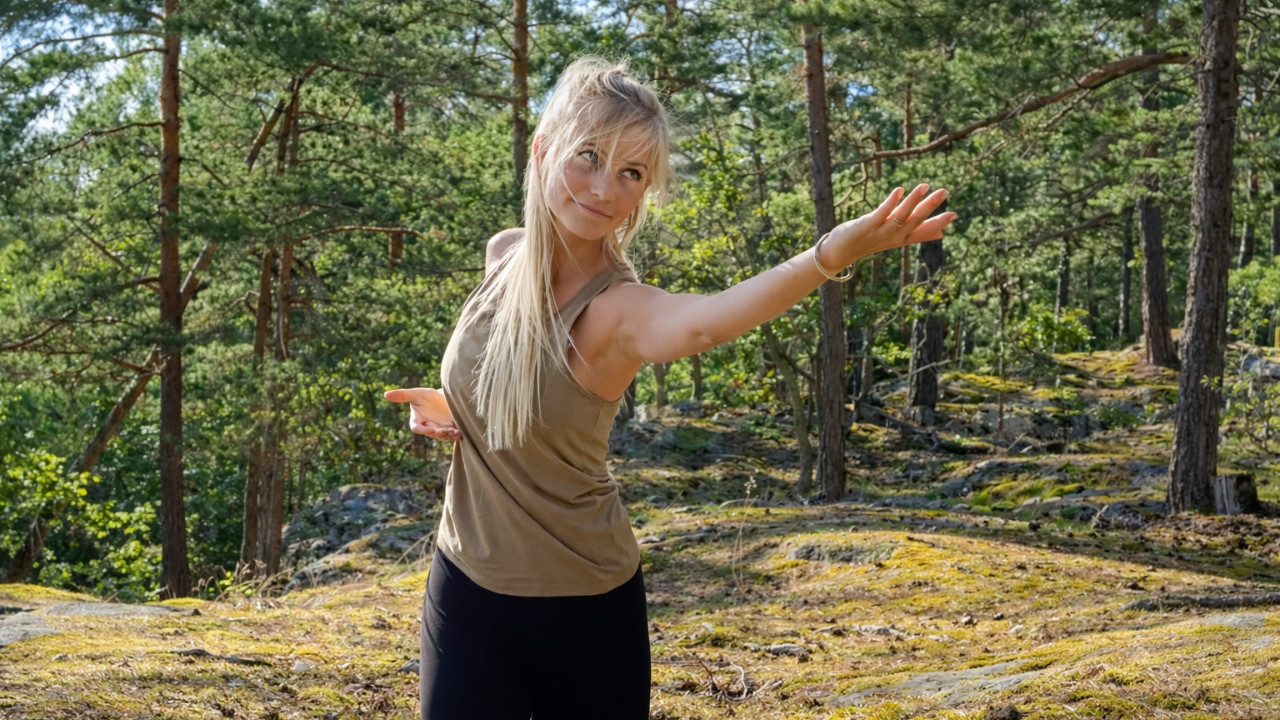
Dao Yin training within the Nei Gong program is taught as a method for ‘leading and guiding’ Qi in order to purge pathogenic factors and open the body. The practices are introduced in a clear and methodical way so that movement, breath and intention work together to release stagnation and clear accumulated tension from the tissues.
As the training develops, Dao Yin is used to draw Qi through the channels and internal pathways so that deeper layers of the body are gradually opened. This process supports the expulsion of pathogenic influences while restoring healthy circulation and balance. Approached in this way, Dao Yin becomes a practical and effective tool for clearing the body and re-establishing internal openness. It prepares the system for deeper Nei Gong work by ensuring that Qi can move freely and that the body is no longer obstructing the process of internal cultivation.
Alchemical Methods
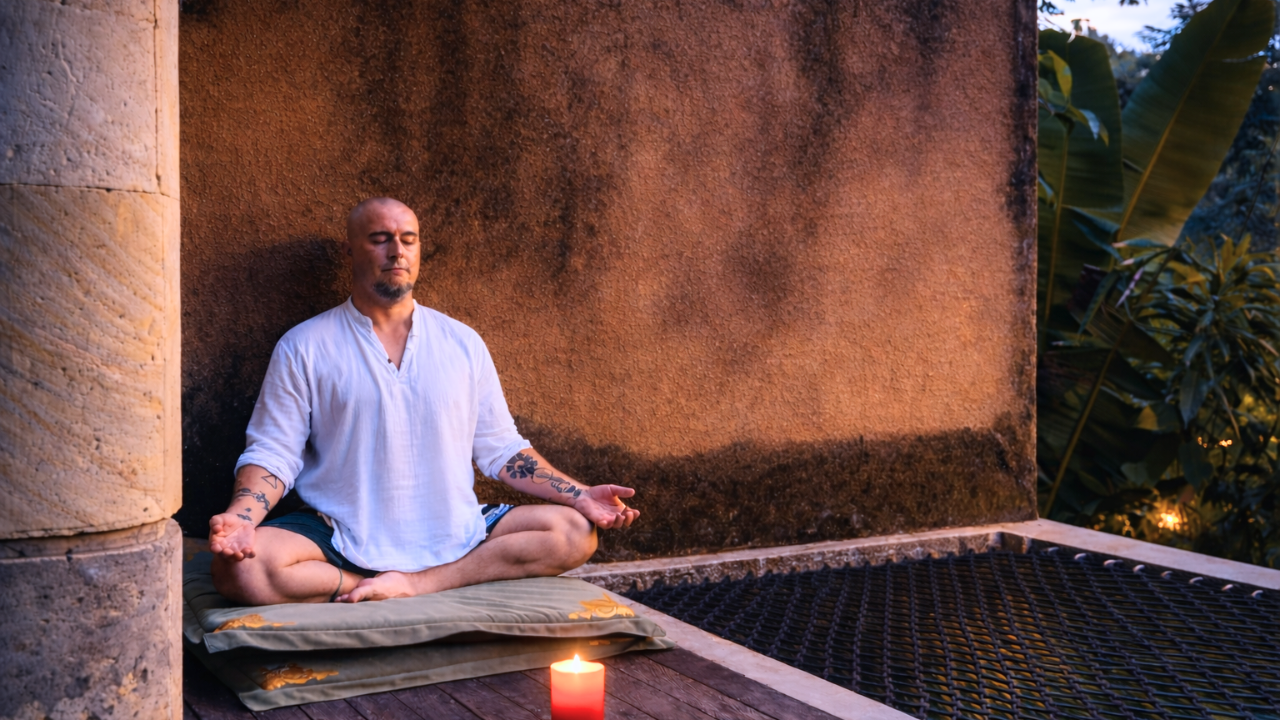
Nei Dan alchemy within the Nei Gong program is taught as a precise and progressive method. The training is introduced only once the body and Qi have been prepared so that the conditions required for alchemical work are already in place. Students are guided into the internal processes that allow the lower field to stabilise and function as the basis for further alchemical change.
As the work develops, attention is directed toward the refinement of internal processes that transform Jing to Qi into Shen. This stage concerns the correct use of mind and internal pressure so that the system begins to reorganise itself from within.
The Alchemy of the Northern Dragon Gate sect (Long Men Pai) is taught within the Nei Gong program once students have established a solid foundation in earlier Nei Gong methods. It is the seamless integration of mental work and energetic-based practice and so the main form of cultivation taught by Damo at later stages of development.
True Internal Training
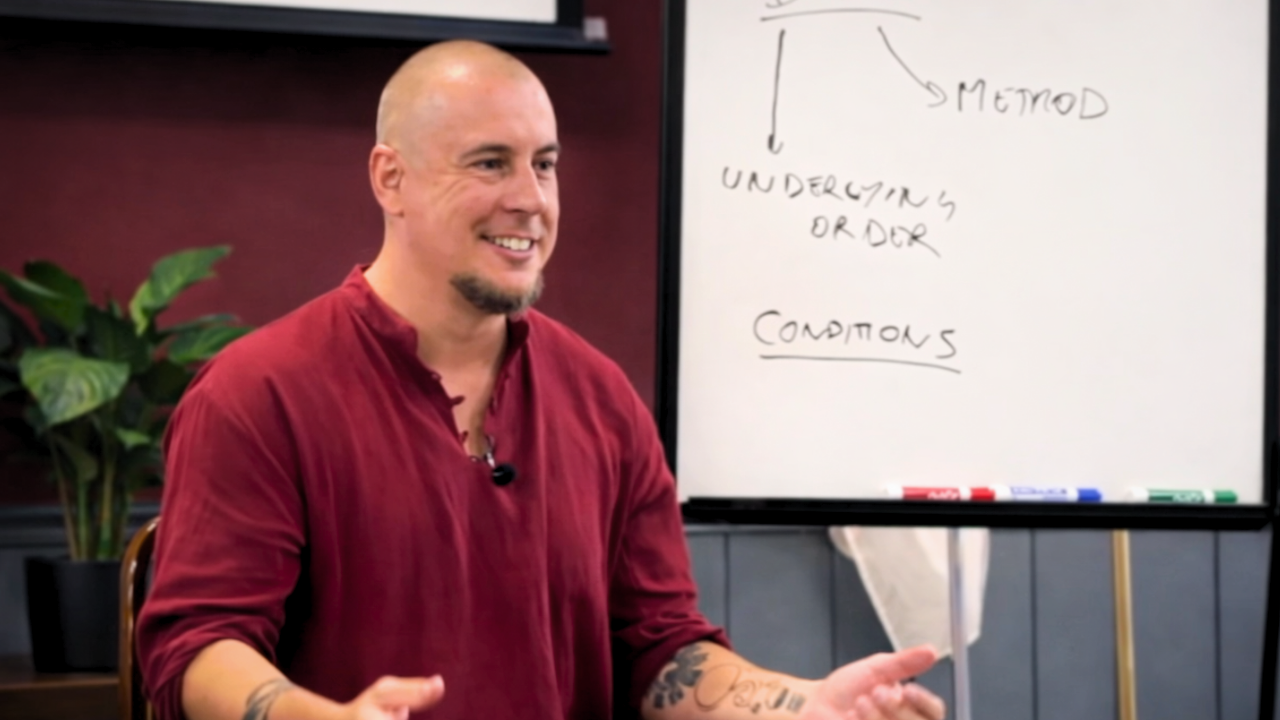
Transformation of the body and energy lies at the heart of authentic internal arts practice and in the Nei Gong framework this transformation is not an imagined change but a full restructuring of the whole person. Within this understanding, the body itself becomes the laboratory for change: muscles, connective tissues, joints and skeletal alignment are systematically conditioned so that Qi can actually move in a clear and tangible fashion.
Only when the physical body has been reorganised in this way does the energy body begin to awaken in a clearly defined way; the channels become accessible to consciousness and Qi begins to circulate through them win an efficient manner. In this process, Jing is first stabilised and directed, Qi is then mobilised and refined and only later is consciousness (Shen) engaged in ways that allow deeper internal change. Within the Nei Gong program the path is laid out clearly so that the student can experience and actualise these changes in a reliable and integrated way.
Author of Multiple Books
The Nei Gong program within the Internal Arts Academy is taught by Damo Mitchell, one of the most widely respected contemporary teachers of authentic Daoist internal cultivation. His approach combines decades of direct training within traditional lineages with a rare ability to clearly articulate the internal processes that underpin genuine transformation of body, Qi and awareness.
The Nei Gong taught within the Academy reflects the same clarity, depth and progressive structure found within Damo’s written work. Students are guided through a carefully ordered training system that cultivates Qi in a stable and usable way and supports the deeper internal processes traditionally associated with Daoist cultivation.
2011 – Daoist Nei Gong
2013 – Heavenly Streams
2014 – The Four Dragons
2015 – White Moon on the Mountain Peak
2016 – Daoist Nei Gong for Women
2016 – Daoist Reflections from Scholar Sage
2016 – The Yellow Monkey Emperor’s Classic of Chinese Medicine
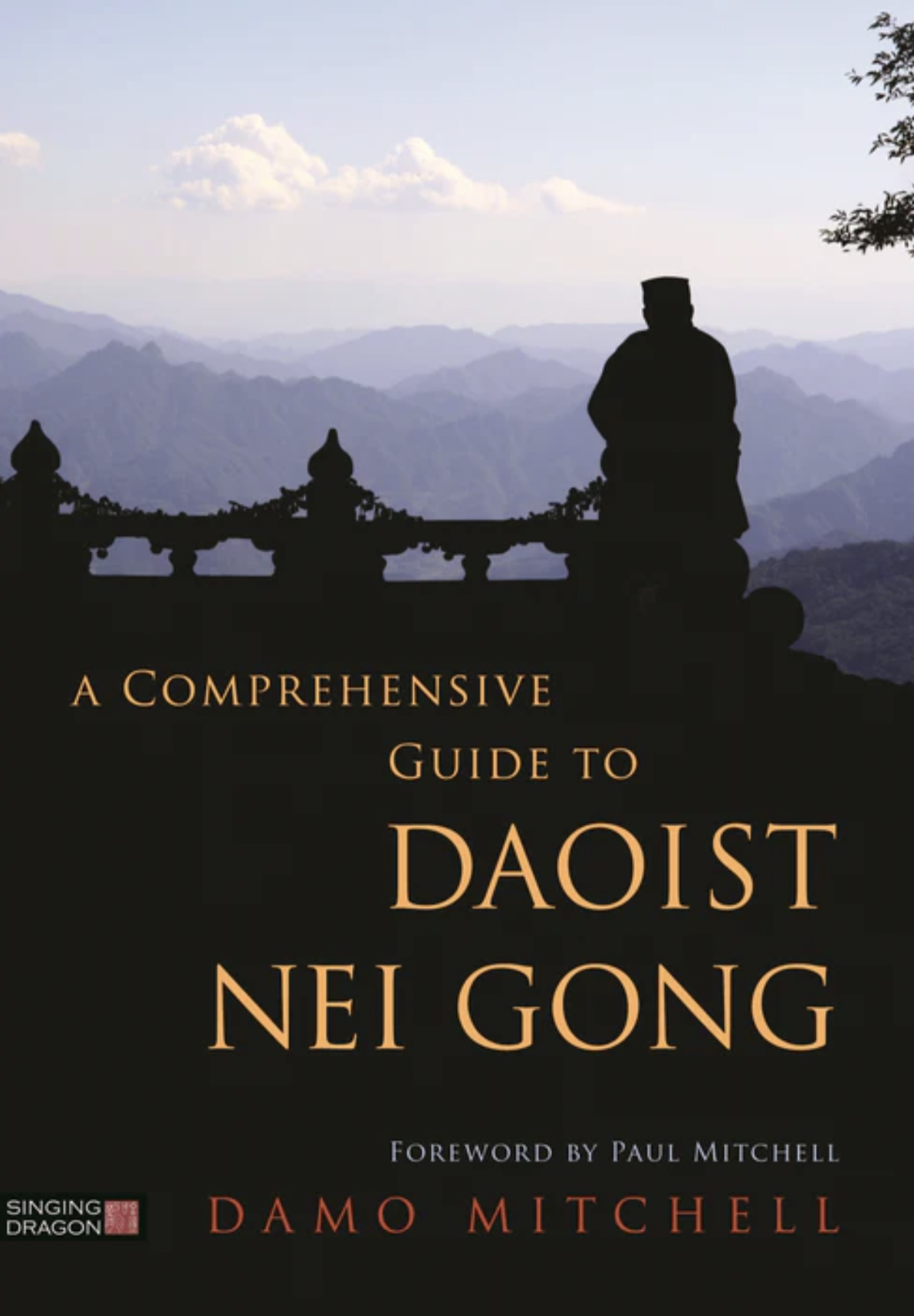
2018 – A Comprehensive Guide to Daoist Nei Gong
2025 – Dao De Jing: Classic of the Way and Virtue
2025 – Yi Jing: Classic of Change
These books are available from Amazon and all good Bookstores.
Sinew Changing – Yi Jin Jing – 易筋经
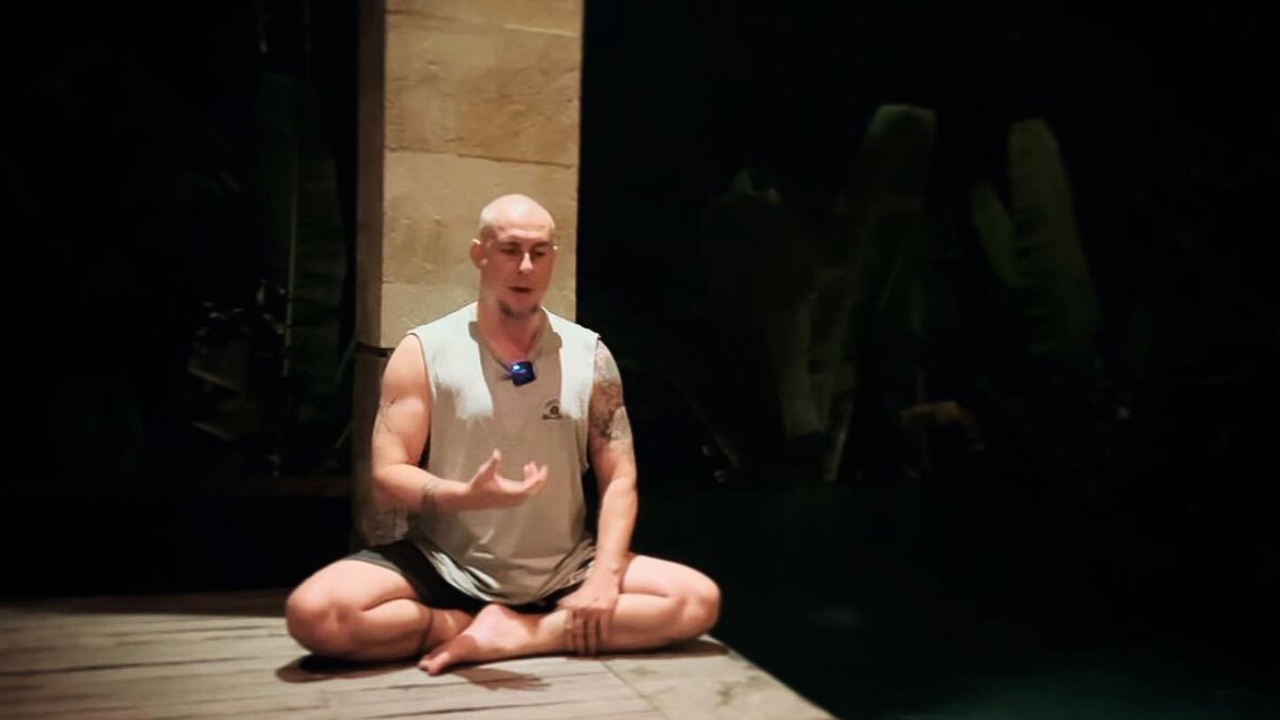
Yi Jin Jing is often approached as a collection of exercises, yet in its authentic context it describes a method by which the body and its channel system are fundamentally transformed. ‘Sinew changing’ refers to the reorganisation of the connective tissues that bind the body into a single, integrated structure. As the sinews are trained to become elastic, continuous and responsive, the channels are reshaped alongside them, allowing Qi to move through the body effectively.
Seen in this light, the Yi Jin Jing is not a standalone practice but a set of underlying principles that inform all effective internal arts.
The academy arts are based in Daoist practice and yet, in order to transform the body, the sinew-changing principles inform the entire of the way in which we teach.
The Program
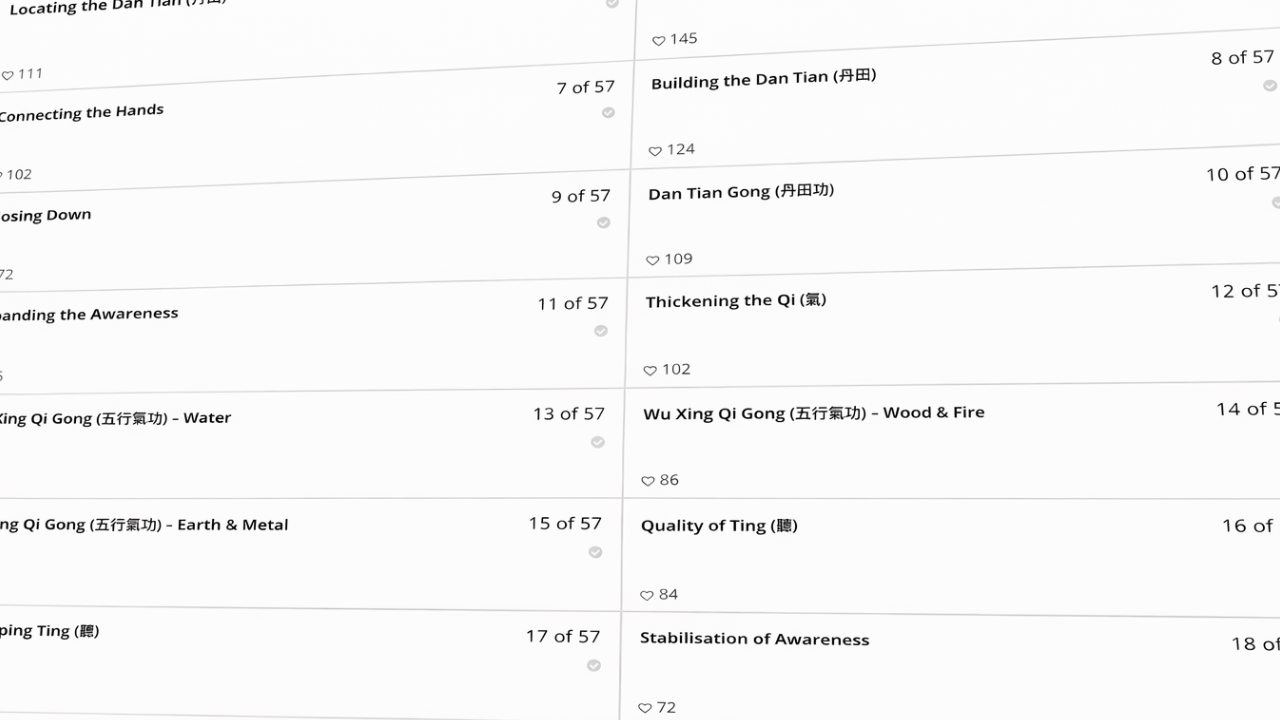
The Nei Gong program unfolds week by week and is structured to guide the student steadily into authentic inner-cultivation. Each stage is designed to build upon the last so that progress is stable, embodied and sustainable over time.
Training moves progressively through physical body development, mental refinement and the systematic cultivation of Qi. These skills are taught through a series of static and moving exercises.
This program is not presented as a rapid route to mastery. Instead, it offers a deep and complete method of training that reflects the syllabus taught to thousands of students worldwide through the Lotus Nei Gong school under the guidance of Damo Mitchell.
One of the most important principles within classical Qi Gong is that ‘release precedes movement’.
In traditional training this is expressed through the cultivation of Song, a state of deep and active release within the body. Song does not mean collapse or softness but the systematic removal of unnecessary tension so that the tissues can respond and adapt. When the body is released in this way, Qi is no longer forced to move. Instead it begins to circulate naturally through the areas that have been opened.
From this perspective, effort is not used to push energy through the system. The role of practice is to remove obstruction so that movement can arise by itself. This is why classical Qi Gong places such importance on posture and internal listening.
When the body is correctly organised and the mind is settled, Qi follows the path of least resistance. Through repeated practice, this principle trains the practitioner to create change through Wu Wei. It is this understanding that separates classical Qi Gong from methods that rely on exertion or imagination alone.
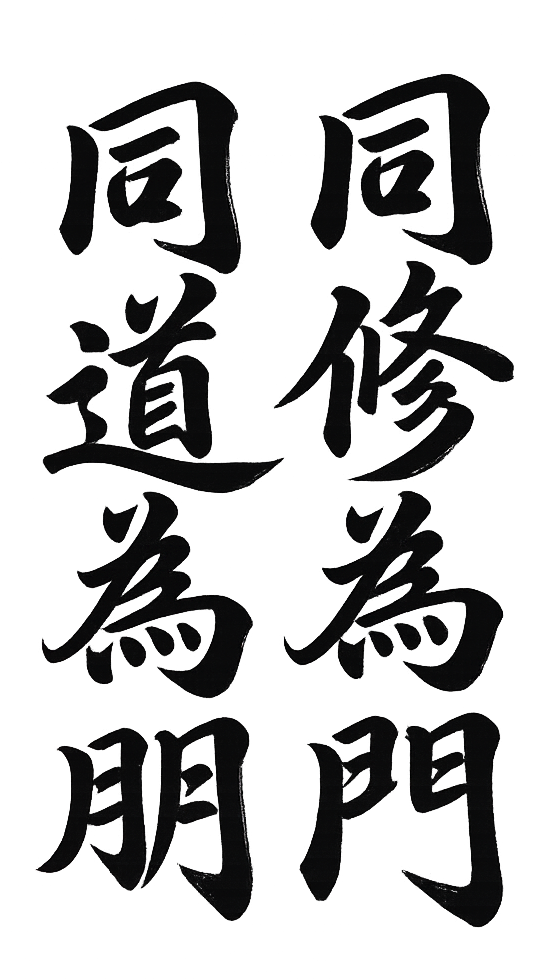
同道為朋 同修為門
‘Those who share the same Path become companions; those who cultivate together form a Gate’
This phrase reflects a classical understanding of how genuine traditions are formed and transmitted. To share the same Dao is to recognise one another as companions on the path; it is the foundation of friendship, trust and mutual respect. Such recognition arises naturally from shared values and common study. Yet recognition alone does not establish a true tradition. It is only through cultivation undertaken together that a genuine ‘Gate’ is formed. When practice is shared, knowledge is no longer held as abstract philosophy but is tested, embodied and refined through lived experience. In this way, understanding moves from ideas into something real and functional.
Companionship may arise from walking the same road, but authentic entry into an art is forged through commitment, discipline and sustained practice carried out side by side. This is the Gate of lineage: not something granted by words or titles, but something opened through sincere effort shared among true friends on the Path.
Annual Membership
Our Annual Membership Includes- Access to all ongoing programs
- Access to extensive theoretical material
- Access to regular live class
- Access to discord group for questions and feedback
- Access to extra footage from live events
Monthly Membership
Our Monthly Membership Includes- Access to all ongoing programs
- Access to extensive theoretical material
- Access to regular live class
- Access to discord group for questions and feedback